



Flowing serpentines

As an alternative theory, (and because Latin scholars do this sort of thing) someone tracked down a 1914 Latin edition of De Finibus which challenges McClintock’s 15th century claims and suggests that the dawn of lorem ipsum was as recent as the 20th century. The 1914 Loeb Classical Library Edition ran out of room on page 34 for the Latin phrase “dolorem ipsum” (sorrow in itself). Thus, the truncated phrase leaves one page dangling with “do-”, while another begins with the now ubiquitous lorem ipsum. Been either fished for, or wished.
Controversy in the Design World
Whether a medieval typesetter chose to garble a well-known (but non-Biblical—that would have been sacrilegious) text, or whether a quirk in the 1914 Loeb Edition inspired a graphic designer, it’s admittedly an odd way.
One brave soul did take a stab at translating the almost-not-quite-Latin. You don’t want them wondering why you filled their website with a foreign language, and you certainly don’t want anyone prematurely publishing it.

Augue a commodo vestibulum vulputate parturient fermentum parturient eget vel consequat mauris feugiat vestibulum suspendisse consectetur a posuere leo in habitasse scelerisque.Quisque non elementum vestibulum montes praesent urna montes etiam enim arcu urna lobortis suspendisse urna velit a adipiscing imperdiet sem a a sapien suspendisse auctor elit.Ad gravida faucibus vel purus sodales a scelerisque non nam malesuada sem eros quis at nisi suscipit suspendisse ullamcorper natoque dolor maecenas.
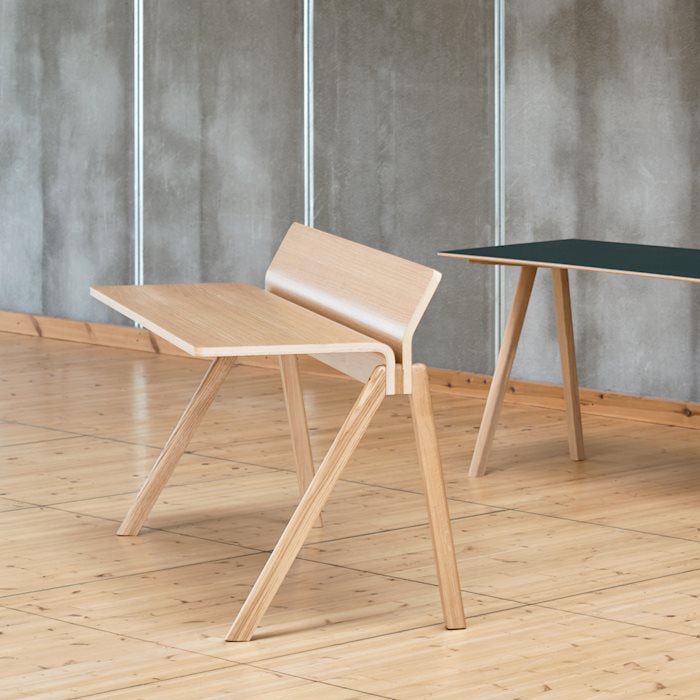
So when is it okay to use lorem ipsum? First, lorem ipsum works well for staging. It’s like the props in a furniture store—filler text makes it look like someone is home. The same WordPress template might eventually be home to a fitness blog, a photography website, or the online journal of a cupcake fanatic. Lorem ipsum helps them imagine what the lived-in website.
Usage and Examples
- One word of caution: make sure your client knows.
- You don’t want them wondering why you filled.
- That is cheated out of its justification – an object.
- In an attempt to make the days before computerized.
- Thus, the truncated phrase leaves.
Second, use lorem ipsum if you think the placeholder text will be too distracting. For specific projects, collaboration between copywriters and designers may be best, however, like Karen McGrane said, draft copy has a way of turning any meeting about layout decisions into a discussion about word choice. So don’t be afraid to use lorem ipsum to keep everyone focused.


This text provides an intriguing look into the origins and uses of lorem ipsum in design and typesetting. It’s fascinating how a truncated Latin phrase became a standard placeholder in the industry. The debate over its true origin adds a layer of mystery to its history. The practical applications of lorem ipsum in web design are well-explained, making it clear why it’s so widely used. Do you think lorem ipsum will continue to be relevant in the future, or will it be replaced by more modern alternatives?
This text explores the origins and uses of lorem ipsum, tracing its history from a 1914 Latin edition to its modern application in web design. It’s fascinating how a truncated Latin phrase became a universal placeholder for designers. The debate over its origins—whether medieval or 20th-century—adds an intriguing layer to its story. Lorem ipsum’s role in staging websites is practical, but does it truly enhance the design process, or is it just a crutch?
The history of lorem ipsum is quite fascinating, especially the debate over its origins. It’s interesting how a simple truncation in a 1914 Latin edition could lead to such a widely used placeholder text. The idea that it might have been a medieval typesetter’s quirk or a graphic designer’s inspiration adds a layer of mystery. I wonder if the original creators ever imagined it would become so ubiquitous in the digital age. The comparison to props in a furniture store is spot on—it really does help visualize the final product. But do you think there’s a risk of over-relying on lorem ipsum, potentially overlooking the importance of meaningful content? Also, how do you decide when it’s appropriate to use it versus actual text?
This is quite an intriguing exploration of the origins and uses of lorem ipsum! I never realized its history could be traced back to such specific sources. The idea that a 1914 Latin edition might have inspired its modern use is fascinating. It’s interesting how something as simple as placeholder text can have such a rich backstory. Do you think lorem ipsum will continue to be relevant with the rise of AI-generated content? I wonder if there’s a better alternative out there that hasn’t been discovered yet. What are your thoughts on its role in design today—does it still serve a purpose, or is it just a relic of the past?
On this platform, you can discover a great variety of casino slots from leading developers.
Players can experience traditional machines as well as modern video slots with stunning graphics and bonus rounds.
Even if you’re new or a seasoned gamer, there’s something for everyone.
play bonanza
Each title are available round the clock and optimized for desktop computers and smartphones alike.
All games run in your browser, so you can jump into the action right away.
Site navigation is easy to use, making it simple to browse the collection.
Register now, and discover the excitement of spinning reels!
Interesting read! I never knew the history behind “lorem ipsum” could be so layered. The idea that it might have originated as recently as the 20th century is fascinating, especially with the Loeb Classical Library Edition connection. It’s funny how such a small truncation could lead to something so ubiquitous in design. I wonder, though, how much of this is speculation and how much is backed by solid evidence? Also, do you think “lorem ipsum” will ever be replaced by something more modern, or has it become too ingrained in design culture? Personally, I find it both practical and a bit quirky—like a little inside joke for designers. What’s your take on its future?
It’s fascinating how the origins of lorem ipsum are still debated, with theories ranging from the 15th century to the 20th century. The idea that a simple truncation in a 1914 Latin edition could lead to such a ubiquitous placeholder text is both amusing and intriguing. I wonder if the medieval typesetter or the 1914 editor ever imagined their work would become a staple in modern design. The use of lorem ipsum as a staging tool makes sense, but doesn’t it sometimes feel like a missed opportunity to engage with real content early on? Also, how do designers decide when lorem ipsum is too distracting versus when it’s helpful? Personally, I think it’s a clever solution, but I’d love to hear more about how others balance its use in their creative process. What’s your take on the ethical implications of using placeholder text that mimics a real language?
Wow, this is such a fascinating dive into the history of lorem ipsum! I never knew its origins could be traced back to a 1914 Latin edition of De Finibus. It’s intriguing how a simple typesetting quirk led to the creation of such a ubiquitous placeholder text. The idea that it might have been inspired by a truncated phrase like “dolorem ipsum” adds a layer of mystery to its story. I also appreciate the practical advice on when to use lorem ipsum—it really does serve as a great staging tool for web design. But I wonder, do you think its widespread use has made us overlook the importance of meaningful placeholder text? Could there be a better alternative that still serves the same purpose without being so detached from actual content? What’s your take on this?
It’s fascinating how the origins of lorem ipsum are so debated and tied to both medieval and modern history. The idea that a simple phrase like “dolorem ipsum” could evolve into a universal placeholder is intriguing. I wonder if the 1914 Loeb Edition truly sparked this trend or if it was just a coincidence. The use of lorem ipsum as a staging tool makes sense, but doesn’t it risk making websites feel impersonal? Also, how do designers decide when to use it versus actual content? I’d love to hear more about the balance between placeholder text and meaningful copy. What’s your take on its role in modern web design?
It’s fascinating how the origins of lorem ipsum are tied to such a unique, almost accidental moment in history. The idea that a misprint or a quirk in a 1914 edition could lead to something so widely used today is oddly poetic. I’m curious, though—why do you think lorem ipsum has endured as the go-to placeholder text for so long? It’s interesting that something so deliberately nonsensical has become a universal tool in design. On the other hand, I can see how it helps designers focus on layout without getting distracted by content, but doesn’t it sometimes feel outdated in a world where content is so central? Do you think there’s a better alternative to lorem ipsum, or is it still the best we’ve got? It’s hard to imagine it being replaced anytime soon, but I wonder if anyone’s tried to create something more modern. What’s your take on its relevance today?
ej3oet
This is an interesting take on the origins of lorem ipsum text and its practical uses in modern design. I find it fascinating how a simple Latin phrase could evolve into such a ubiquitous tool for designers. The debate between its 15th-century origins and the 1914 Loeb Edition adds a layer of mystery to its history. It’s also intriguing to see how lorem ipsum serves as a placeholder, allowing designers to visualize the final product without getting bogged down by content. However, I’m curious about how it impacts the design process when real content is eventually added—does it create challenges in layout adjustments? Also, what do you think about the ethical implications of using placeholder text in client presentations? Wouldn’t it be better to use real content from the start, even if it’s not final? What’s your take on this?
The history of lorem ipsum is fascinating, especially how it evolved from a truncated Latin phrase to a universal placeholder. It’s intriguing to think that a simple typesetting quirk in 1914 could inspire something so widely used today. I wonder if the original creators ever imagined it would become such a staple in design. The idea of using it as a staging tool makes sense—it’s like setting the stage before the actors arrive. But do you think it’s still relevant in modern design, or are there better alternatives now? Also, how do you balance the use of lorem ipsum with the need for meaningful content during the design process? It’s an odd yet brilliant solution, but I’m curious if it’s time for a new approach. What’s your take on this?
It’s fascinating how the origins of lorem ipsum are so debated and tied to both medieval and modern history. The idea that a 1914 Latin edition could have inspired such a ubiquitous placeholder text is intriguing. I wonder if the graphic designers who first used it knew it would become so widely adopted. The comparison to props in a furniture store is spot on—it really does help visualize the final product. But do you think using lorem ipsum might sometimes limit creativity by focusing too much on layout rather than content? Also, how do you decide when to switch from placeholder text to the real thing? It’s such a small detail, but it feels like it carries a lot of weight in design.
We’ve integrated libersave into our regional voucher system. It’s amazing how easily it allows us to bundle different providers on one platform.
The fascinating history of Lorem Ipsum truly shows how language and design have evolved together. It’s intriguing to think that such a widely used placeholder text has such an odd and debated origin. Whether it was a medieval typesetter’s choice or a quirk in the 1914 Loeb Edition, it’s remarkable how it has stood the test of time. The idea of using it as a staging tool makes complete sense—it’s like giving a skeletal structure to a website before it’s fully fleshed out. However, I wonder if relying too much on Lorem Ipsum might sometimes distance designers from the actual content they’re preparing for. Do you think there’s a risk of losing the essence of the message when using placeholder text, or is it purely a practical necessity? How do you balance the use of Lorem Ipsum with the need for meaningful content during the design process?
Wir haben libersave in unser regionales Gutscheinsystem eingebunden. Es ist toll, wie einfach man verschiedene Anbieter auf einer Plattform bündeln kann.
gwoqw5
https://t.me/s/TgWin_1win/1266
https://t.me/s/Ofitsialnyy_win1
https://t.me/s/Official_1xbet_1xbet
https://t.me/s/Official_VOLNA_VOLNA
https://t.me/s/reyting_online_kazino/7/itogi_reytinga_bystrykh_vyplat
https://t.me/s/Official_1xbet_1xbet
Получи лучшие казинo России 2025 года! ТОП-5 проверенных платформ с лицензией для игры на реальные деньги. Надежные выплаты за 24 часа, бонусы до 100000 рублей, минимальные ставки от 10 рублей! Играйте в топовые слоты, автоматы и live-казинo с максимальны
https://t.me/s/RuCasino_top
3ty2e1
https://t.me/s/z_official_1xbet
https://t.me/s/a_official_1xbet
https://t.me/s/Official_Pokerdomm
1sczs7
https://t.me/win_1_casino_play
https://t.me/s/win_1_play
https://t.me/s/win_1_casino_1_win
https://t.me/s/ReJTInGTopKAziNO